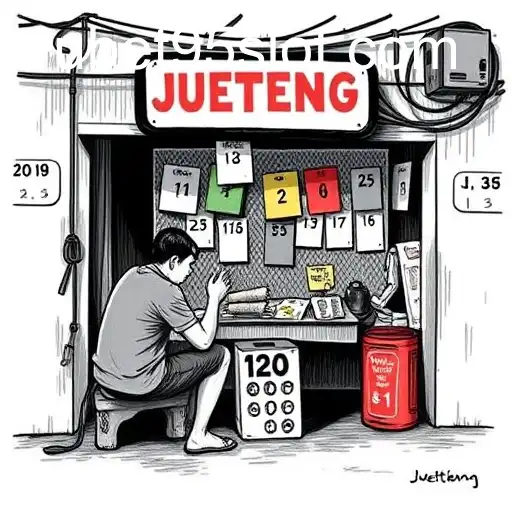
Understanding Jueteng: The Intricacies and Influence of an Underground Game
In the Philippines, gambling has cultural roots that extend far beyond the glitz and glamour of high-end casinos. Among the various forms of betting, one name often resonates deeply with Filipinos: Jueteng. This underground lottery game, illegal yet persistently popular, paints a picture of economic disparity, historical influence, and societal implications. At its core, Jueteng speaks to a nation’s ongoing struggle with poverty, corruption, and the continuous search for economic stability.
What is Jueteng?
Jueteng is a numbers game where players bet on a two-number combination from one to thirty-seven. Originating during the Spanish colonial period, it has deeply embedded itself into Filipino culture. Despite relentless efforts by the authorities to eradicate it, Jueteng has evolved into a sophisticated syndicate often linked to political maneuverings and grassroots economics.
The allure of Jueteng lies in its simplicity and accessibility. Unlike the legal state lottery, which requires a trip to a registered outlet, Jueteng bet collectors—or 'cobradores'—operate in neighborhoods, ensuring easy participation. Bets can range from a few pesos to higher stakes, making it attractive to both casual bettors and regular players looking to test their luck.
The Societal Impact: A Double-Edged Sword
Jueteng's impact on society is profound and multifaceted. On one hand, it offers a meager yet vital source of income, both to those placing modest bets and the syndicate network's foot soldiers. For many, Jueteng presents an opportunity, a fleeting hope that a small investment could yield bigger returns.
Despite its economic promise, Jueteng is steeped in controversy. The illegal nature of the game breeds corruption, creating an expansive network where police, community officials, and politicians may benefit financially. Officials are often accused of receiving payoffs to ignore Jueteng operations, complicating the fight against it.
Jueteng in the Political Arena
The intersection of Jueteng and politics is a well-documented phenomenon. Politicians are often implicated in Jueteng scandals, either from accepting bribes or using the game to fund political campaigns. This connection blurs the lines between governance and illegal enterprises, challenging the integrity of public service.
Political figures have historically been linked to Jueteng syndicates, with allegations spanning the highest offices. These relationships signify a symbiotic alliance, where political protection ensures the game's survival while providing financial support to campaigns.
Regulation Attempts and Failures
Efforts to curb the spread of Jueteng have been consistently thwarted. Despite crackdowns and legal alternatives like Small Town Lottery (STL) introduced by the Philippine Charity Sweepstakes Office (PCSO), Jueteng persists. STL was designed to operate similarly but with government oversight, aiming to redirect illegal bets into state revenue.
However, regulatory success remains limited. The deeply entrenched nature of Jueteng within communities poses significant enforcement challenges. Additionally, issues such as mismanagement and inconsistent policy implementation have hindered STL’s effectiveness as a compelling alternative.
The Role of Technology: A New Era
The influx of digital platforms threatens to complicate Jueteng’s historical allure with the rise of online gaming options. Emerging platforms like UBET95 SLOT highlight a shifting horizon, where technology converges with traditional gambling practices.
UBET95 SLOT, an online gaming platform, exemplifies the merging of digital accessibility and gambling. While distinct from Jueteng, the platform aligns with shifting gambler preferences, offering a broad array of betting options beyond numbers games. As online solutions gain traction, they contribute to the evolving landscape of gaming in the Philippines.
Can Jueteng Be Eradicated?
The question of Jueteng’s eradication remains contentious, rooted in socio-economic and cultural paradigms. While eradication efforts are necessary, they must be accompanied by broader socio-economic policies that address underlying issues such as poverty and lack of employment.
Long-term solutions require comprehensive reform encompassing systemic poverty reduction strategies and transparent governance. Addressing the complexities of Jueteng necessitates an understanding of the economic desperation that drives participation and a willingness to implement enduring change.
Conclusion: Jueteng and the Path Forward
Jueteng’s place in Filipino society is a testament to resilience amidst adversity, yet it underscores broader societal challenges. The game’s endurance signals critical areas needing policy attention and reform. While platforms like UBET95 SLOT signify burgeoning technological trends in gambling, Jueteng’s narrative remains one of historical significance and modern-day relevance.
Ultimately, tackling Jueteng requires a multi-faceted approach that goes beyond enforcement and toward addressing economic inequality and ethical governance. The path forward must include dialogue among stakeholders, fostering a balanced understanding of Jueteng's role within the socio-economic tapestry of the Philippines.